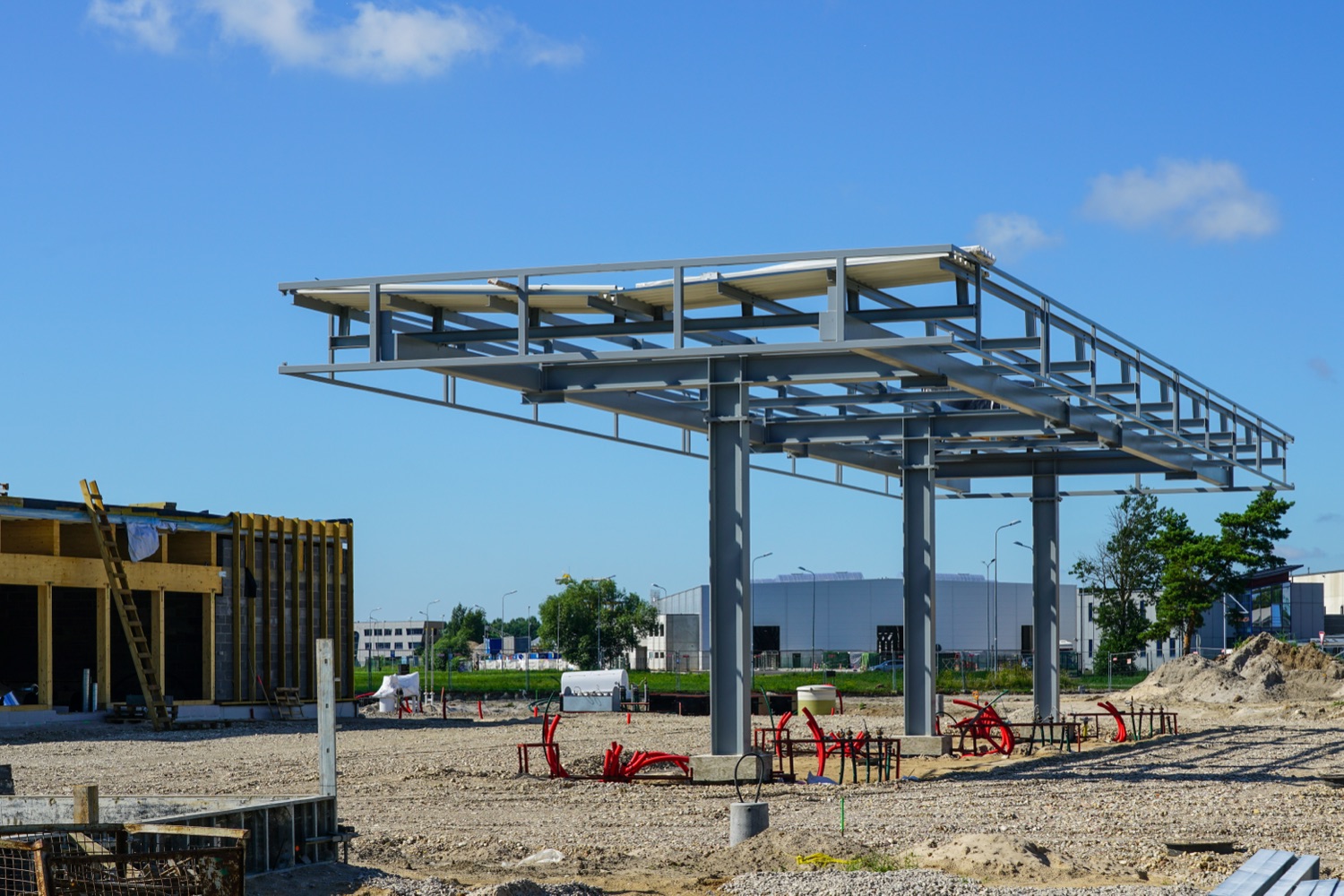
Phase I findings, UST history, insurance, open incidents, and remediation obligations should be cleared before a lender or serious buyer relies on price.

Financing built for fuel and convenience retail.
Acquisition, development, and SBA financing for gas stations and C-stores, sourced through a network of lenders who actually understand the asset class and the environmental risk.
The right capital for the deal in front of you.
Many banks avoid gas stations because of underground storage tanks and environmental liability. We work with lenders who specialize in the sector, so financing is a path forward rather than a dead end.
SBA 7(a)
The workhorse for owner-operators. As little as 10% to 15% down, terms up to 25 years on real estate, and rates recently around 9% to 11.5%.
Conventional
For stronger balance sheets and portfolios. Typically 30% to 40% down, faster for experienced operators with banking relationships.
Private & bridge
When speed or structure matters. Higher leverage options for the right deal, bridging to permanent financing.
Gas station financing in 2026.
Figures are general market ranges for 2026, not a quote. Terms depend on the deal, the borrower, and the lender.
Financing built for fuel and convenience retail through the fuel retail underwriting lens.
This page is evaluated through the fuel site first: gallons, grade mix, margin after card fees, MPD count, canopy visibility, tank history, environmental risk, supplier economics, and the physical forecourt. Read this guide as a fuel-site underwriting memo: what evidence proves the gallons, what tank or supplier risk changes price, and what lender questions come first?
Gross margin is not enough. Card fees, freight, rebates, price wars, and discount programs decide how much fuel profit is real.
Traffic count only matters if drivers can see, enter, fuel, and exit easily. Median cuts, signalized corners, truck access, and competing corners must be mapped.
Diesel mix, fleet accounts, commercial routes, and truck access can materially change value, especially for highway and industrial-market assets.
For gas station deals, the highest-value diligence usually lives in wet-stock reports, tank records, fuel invoices, supplier contracts, dispenser condition, canopy and lighting, traffic ingress, environmental reports, and fuel margin history. This service hub is intentionally written for buyers, operators, lenders, and investors underwriting fuel volume and fuel real estate, so it should be evaluated on the specific commercial questions it answers, not only on broad national search terms.
What makes Financing built for fuel and convenience retail a real diligence page.
This service hub is strongest when it helps a visitor decide what to do with a real fuel asset. The checklist below keeps the page tied to gas-station economics: gallons, tanks, supplier terms, forecourt condition, environmental records, card fees, and traffic conversion.
Ask for evidence. Lighting, camera coverage, pump-island visibility, cash exposure, and overnight staffing affect both operations and buyer comfort. For Financing built for fuel and convenience retail, do not treat this as generic background; make it part of the buyer, seller, lender, or investor checklist.
Ask for evidence. Required canopy, dispenser, signage, restroom, or loyalty-image upgrades can turn an attractive fuel site into a capital-heavy acquisition. For Financing built for fuel and convenience retail, do not treat this as generic background; make it part of the buyer, seller, lender, or investor checklist.
Ask for evidence. Ask for monthly gallons by grade and diesel, not one annual total. Seasonality, price competition, and grade mix can change the real margin story. For Financing built for fuel and convenience retail, do not treat this as generic background; make it part of the buyer, seller, lender, or investor checklist.
Ask for evidence. Tank tightness, release history, monitoring, cathodic protection, spill buckets, and ATG reports belong in the first diligence package. For Financing built for fuel and convenience retail, do not treat this as generic background; make it part of the buyer, seller, lender, or investor checklist.
Ask for evidence. Dispenser age, EMV status, hose condition, canopy lighting, signage, paving, and pump-island layout can create near-term capital needs after closing. For Financing built for fuel and convenience retail, do not treat this as generic background; make it part of the buyer, seller, lender, or investor checklist.
For Gas Station Trader, the indexed value of the page should come from how well it answers the fuel-site question: what would a serious owner, buyer, lender, or broker verify before trusting the gallons and the real estate?
What this hub helps a serious visitor decide.
Financing built for fuel and convenience retail should route visitors around fuel-property economics: gallons, tanks, supplier terms, forecourt condition, card fees, environmental records, traffic access, and lender readiness. The hub is useful when it helps a person choose the next page or raise their hand with a real fuel-site goal. The primary intent here is capital fit, lender questions, underwriting evidence, and debt-service realism.
Traffic count only matters if drivers can see, enter, fuel, and exit easily. Median cuts, signalized corners, truck access, and competing corners must be mapped.
Diesel mix, fleet accounts, commercial routes, and truck access can materially change value, especially for highway and industrial-market assets.
Phase I findings, UST history, insurance, open incidents, and remediation obligations should be cleared before a lender or serious buyer relies on price.
Gross margin is not enough. Card fees, freight, rebates, price wars, and discount programs decide how much fuel profit is real.
What a serious Financing built for fuel and convenience retail inquiry should include.
Gas Station Trader should turn Financing built for fuel and convenience retail traffic into fuel-property leads with enough detail to underwrite the site, not just a name and phone number. A useful inquiry explains the fuel asset, the tank and supplier proof, and the decision timeline.
Share whether this is a single station, portfolio, brand page, market search, guide question, or tool output. Include gallons, brand or supplier, MPD count, diesel mix, real estate versus leasehold, and tank ownership or responsibility.
The strongest gas-station lead can provide monthly gallons, wet-stock records, supplier agreement, fuel invoices, card fees, tank and ATG records, Phase I material, environmental history, and forecourt capex notes.
Clarify whether the goal is to buy, sell, value, refinance, or prepare for a 1031 or sale-leaseback. Include price range, financing capacity, timing, geography, and any supplier or environmental constraints.
For this service hub, a high-quality lead is one where the fuel economics, tank/supplier risk, and next action are clear enough for a broker or principal to respond intelligently.
Before you act on Gas Station Financing, talk with a sector broker.
Gas Station Trader is built to turn financing conversation interest into a real next step: valuation, buyer match, lending path, diligence package, or confidential sale strategy. Eagle Nest Property Group works across owners, operators, 1031 buyers, and private capital in fuel retail.
Let's get your deal funded.
Tell us about the station and your situation. We will point you to the lenders and structures that fit, and help you get to a clean close.
469.949.6467