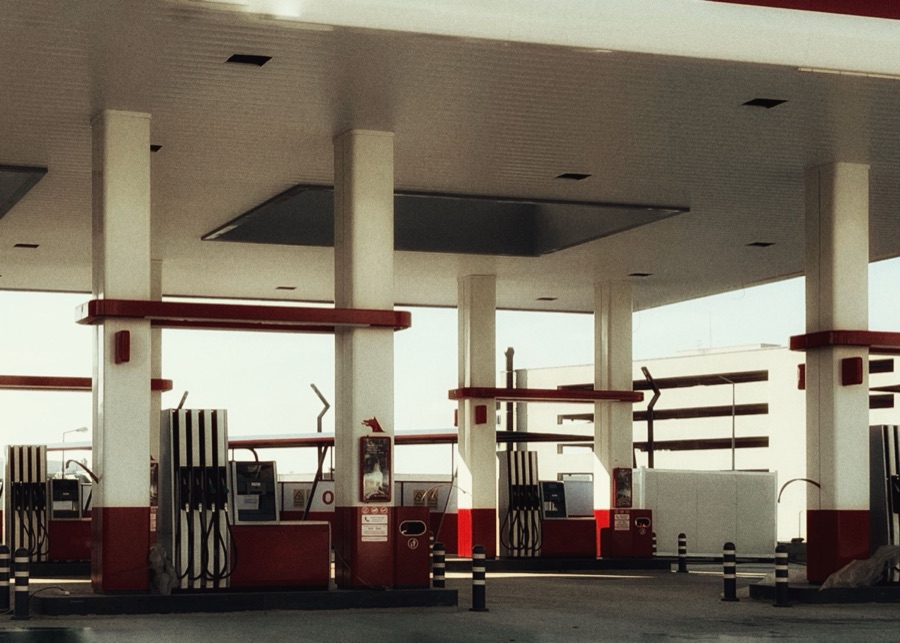
 Previously Marketed
6 Stores
Previously Marketed
6 Stores
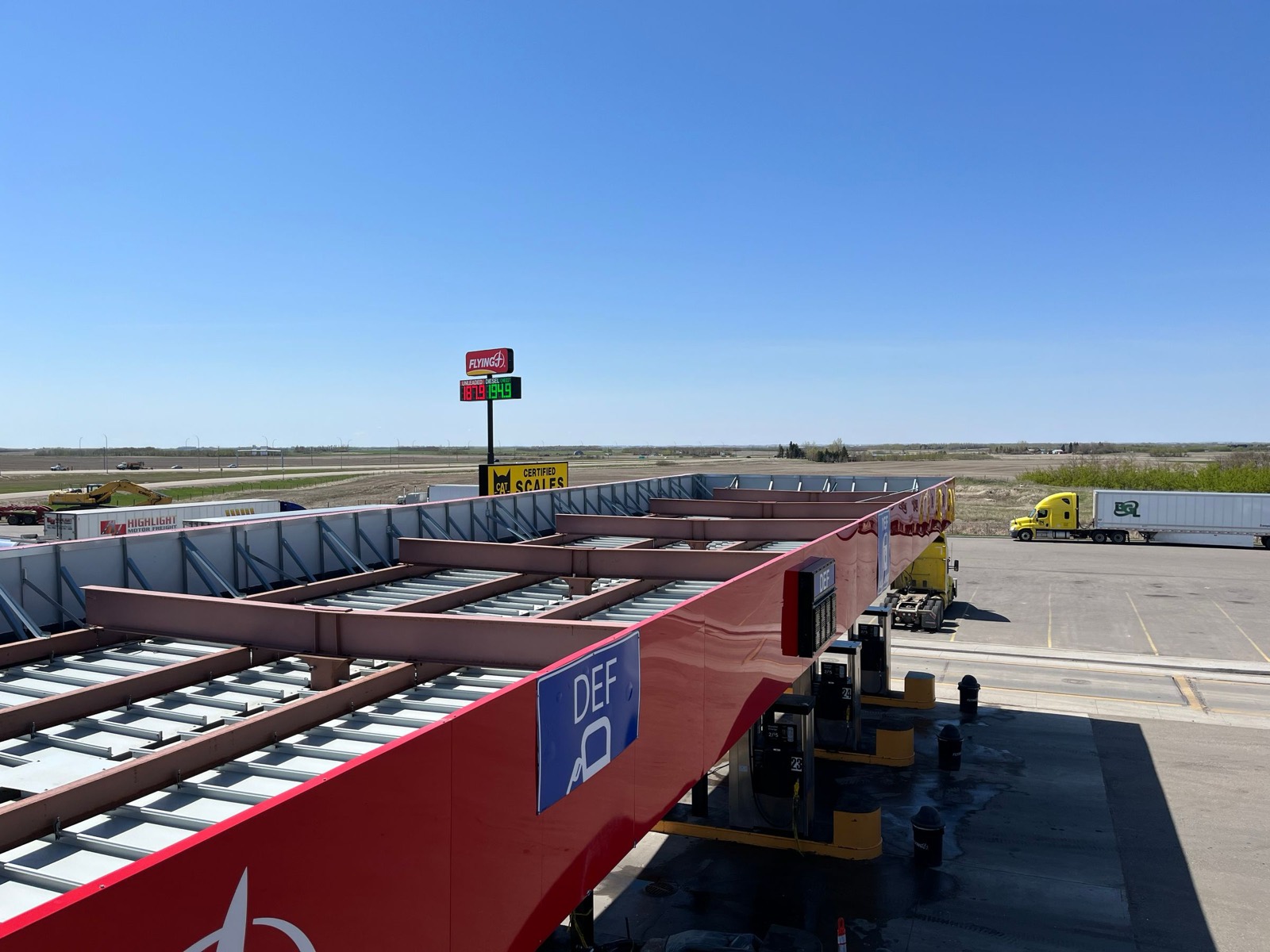
For sale
NNN Gas Stations for sale.
Passive net-lease fuel and convenience assets with credit tenants, long terms, and cap rates that underwrite cleanly.
Previously marketed
Representative transactions
Key takeaways
- National NNN fuel and C-store cap rates run near 5.6%, with corporate-credit tenants like Wawa pricing as tight as 4.83% to 5.20% and weaker markets stretching to 6.0% to 6.5% or higher.
- In a true triple-net lease the tenant pays taxes, insurance, and maintenance, so the owner holds a passive income stream with little day-to-day involvement.
- Underground storage tanks and CERCLA liability drive lender caution, which is why a Phase I ESA at 1800 to 3500 dollars is standard before closing.
- Absolute NNN deals with 15 to 20 year terms are ideal 1031 replacement property, fitting the 45-day identification and 180-day closing windows.
- Tenant credit, lease term remaining, and rent bumps move cap rates more than location alone on net-lease fuel assets.
A triple-net gas station puts the building, the brand, and the operating risk on the tenant while you collect rent. The tenant covers taxes, insurance, and maintenance, which is why national NNN fuel and convenience cap rates sit near 5.6%, roughly 5.58% with fuel and 6.87% without. These are the assets 1031 buyers and passive investors want because the income is contractual and the management is close to zero. The trade-off is environmental exposure from underground storage tanks and a price premium for the cleanest credit. Gas Station Trader runs net-lease inventory across the country, from branded stores to truck stops, and prices every deal against current market data before it goes out.
What a NNN Gas Station Is
A NNN, or triple-net, gas station is a fuel and convenience property leased to an operator who pays taxes, insurance, and maintenance on top of base rent. You own the real estate and collect a contractual income stream. The tenant runs the store, manages the pumps, and carries the operating risk. In an absolute NNN structure the landlord has zero responsibility for the building, which is what makes these assets passive.
The lease is the product. Term length, rent escalations, and the strength of the guarantor determine value far more than the fuel volume through the canopy. Compare this to a managed or absentee-run store, where you still own the business and its margins. With NNN you are buying paper backed by dirt. Our triple-net lease guide breaks down each clause.
Why Investors Want Net-Lease Fuel
Net-lease fuel assets attract buyers who want yield without operations. The income is predictable, the management load is minimal, and the tenant pool includes some of the strongest credit in retail. A corporate-guaranteed lease from a national operator behaves more like a bond than a business.
These properties are also the cleanest fit for a 1031 exchange. With 45 days to identify and 180 days to close, a buyer rolling out of an apartment building or a strip center needs a known quantity, and an absolute NNN gas station with 15 to 20 years of term remaining delivers it. The 2025 fuel margin picture matters less here because the operator absorbs it. What you underwrite is the rent, the bumps, and the guarantor. For buyers weighing the model, our NNN investing guide covers the full case.
Cap Rates and How NNN Deals Price
National NNN fuel and convenience cap rates sit near 5.6%, roughly 5.58% with fuel and 6.87% without. Tenant credit drives the spread. Wawa-leased stores price between 4.83% and 5.20%, 7-Eleven between 5.00% and 5.40%, Murphy USA near 5.13%, and Circle K between 5.35% and 5.65%. Geography layers on top. Florida is tightest near 5.11%, Texas runs about 5.63%, the Carolinas sit at 5.0% to 5.5%, and weaker markets reach 6.0% to 6.5% or higher.
For owner-operated fuel businesses with real estate, pricing runs closer to 8x EBITDA, with 7x to 9x in premium markets. Run your own numbers with our cap rate calculator and valuation calculator. For trend context, see cap rates by state.
How to Buy or Sell a NNN Gas Station
Buying starts with the lease and the tenant credit, then moves to environmental. Because underground storage tanks carry CERCLA liability, a Phase I ESA at 1800 to 3500 dollars under ASTM E1527-21 is standard and is required on SBA fuel deals. SBA 7(a) caps at 5M dollars with a 15% minimum equity injection on special-purpose stations and terms up to 25 years on real estate, while conventional lenders often want 30% to 40% down and many avoid tank exposure. Our SBA 7(a) guide and financing page map the options.
Selling a leased asset is about presenting clean rent, term, and credit, then pricing to the right cap. Owners exiting an operating business often convert to a sale-leaseback to capture real estate value while staying in place. Start a buy or sell engagement with our team.
FAQ
Common questions
NNN, or triple-net, means the tenant pays the three nets, property taxes, insurance, and maintenance, on top of base rent. The owner holds the real estate and collects a passive income stream while the operator runs the store and carries the operating risk. In an absolute NNN structure the landlord has no building responsibilities at all.
Plan on national NNN fuel and convenience cap rates near 5.6%, roughly 5.58% with fuel. Strong corporate tenants compress that range, with Wawa at 4.83% to 5.20% and 7-Eleven at 5.00% to 5.40%, while weaker markets stretch to 6.0% to 6.5% or higher. Tenant credit, term remaining, and rent bumps move the rate more than location alone.
Yes. Absolute NNN gas stations with 15 to 20 year terms are ideal 1031 replacement property because the income is contractual and management is minimal. The exchange clock gives you 45 calendar days to identify and 180 days to close from your sale closing, so a known net-lease asset fits the timeline. Use our 1031 deadline calculator to map your dates.
Underground storage tanks carry CERCLA liability that can attach to the owner, which is why a Phase I ESA at 1800 to 3500 dollars under ASTM E1527-21 is standard and required on SBA fuel deals. A net lease shifts operating responsibility to the tenant, but buyers and lenders still underwrite tank condition and environmental history before closing.
Put us to work
Want this asset type in your inbox?
Join deal alerts and we will send matching opportunities, including off-market deals.