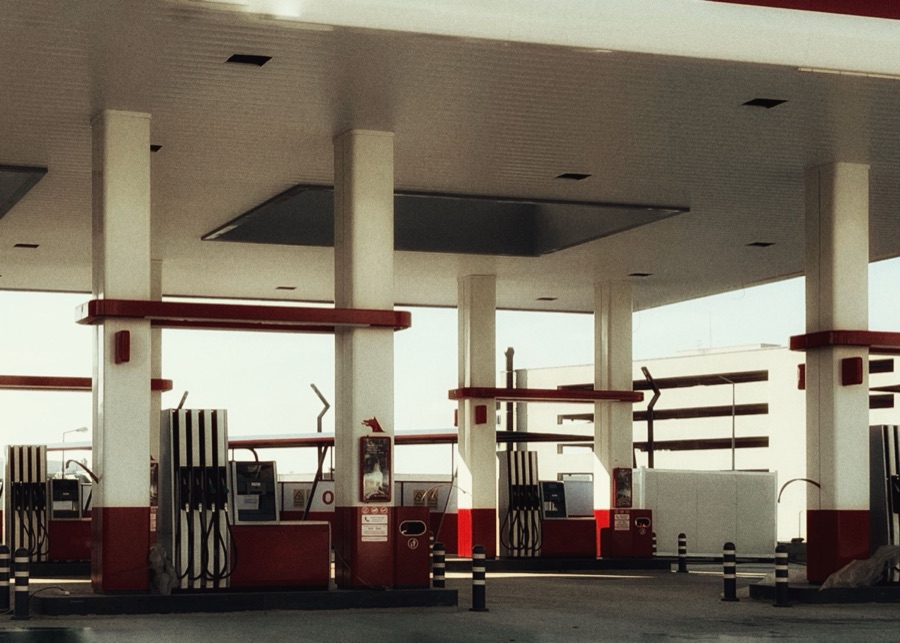
 Previously Marketed
6 Stores
Previously Marketed
6 Stores
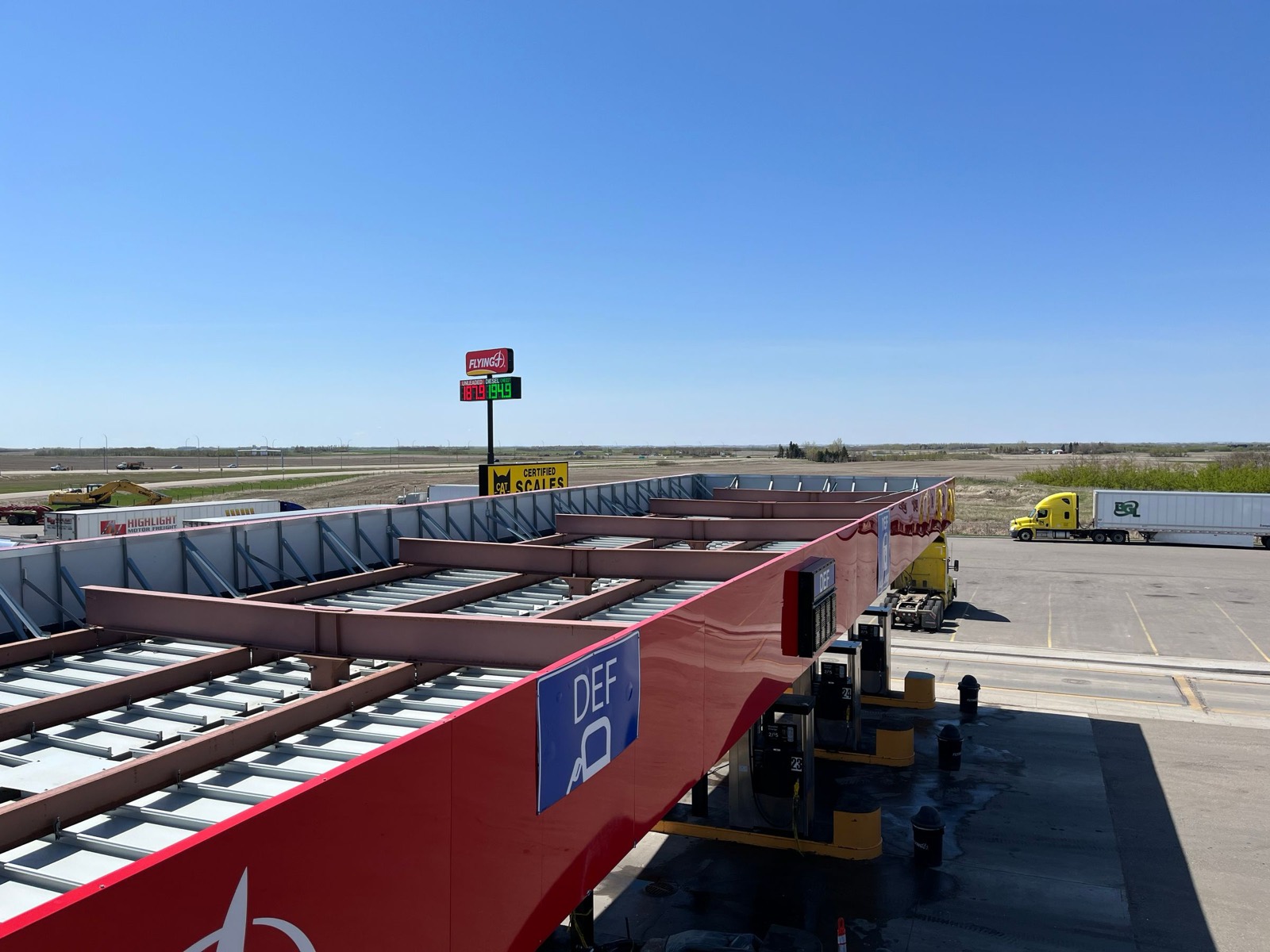
For sale
Absentee Gas Stations for sale.
Manager-run and passive fuel and convenience assets that produce income without daily owner presence.
Previously marketed
Representative transactions
Key takeaways
- Absentee structures range from manager-run C-stores you still own to fully passive NNN leases where a corporate tenant runs the site and pays rent.
- National fuel and C-store cap rates sit near 5.6%, with passive NNN deals to credit tenants trading tightest at 4.83% to 5.65% by brand.
- Owner economics depend on management quality. A small-to-medium station owner often nets about 70K to 100K dollars per year, rising to 100K to 500K by site.
- Manager-run absentee deals price on cash flow at 4.0x to 7.0x EBITDA for combined business, while passive real estate plus lease deals price near 8x EBITDA.
- Environmental and lender requirements are non-negotiable. SBA fuel deals require a Phase I ESA (1,800 to 3,500 dollars) and a 15% minimum equity injection.
An absentee gas station is a fuel and convenience site that runs on hired management rather than a hands-on owner. For investors, that structure is the appeal. You collect cash flow or rent without standing behind the register, ordering inventory, or managing shifts. These deals range from manager-operated C-stores where you still own the business to fully passive NNN leases where a corporate tenant handles everything. With roughly 152,000 US C-stores and about 60% run by single-store operators, the supply of sites that can convert to absentee management is deep. The trade-off is structure and underwriting. A site that cash flows under an absent owner needs reliable management, clean financials, and the right lease or operating model. Gas Station Trader places these assets nationwide.
What an Absentee Gas Station Actually Is
Absentee ownership covers a spectrum, not a single deal type. At one end is a manager-run C-store where you own the business and the fuel operation but employ a manager and staff to run daily operations. You set strategy, review numbers, and collect profit. At the other end is a passive net-lease investment, where you own the real estate and a tenant operates the station under a long-term lease and pays you rent.
The middle ground includes lessee-dealer and commission-agent structures where operating roles are split. Each model changes who carries fuel risk, who manages labor, and how income reaches you. Our guides on absentee gas station ownership and dealer vs lessee-dealer vs commission break down the differences before you commit capital.
Why Investors Want Absentee Fuel and C-Store Assets
The draw is income without operational load. Convenience retail is about 30% of revenue but roughly 70% of profit, and 2025 in-store items carried 20% to 40% margins. A well-managed C-store can produce real cash flow even when net fuel profit is only a few cents per gallon. A busy urban station moves 100,000 to 150,000 gallons per month against a US average near 4,000 gallons per day, so traffic supports both fuel and in-store income.
Owner economics scale with management and location. A small-to-medium station owner often nets about 70K to 100K dollars per year, and stronger sites reach 100K to 500K. Investors who want zero operations move toward NNN gas stations or a sale-leaseback. Those weighing the model should read is owning a gas station profitable.
How Absentee Deals Are Valued and Priced
Pricing depends on whether you buy income, real estate, or both. Manager-run business-only deals trade at 2.5x to 4.0x EBITDA, with SDE multiples of 2.0x to 3.5x for smaller stores. Combined business and operation deals run 4.0x to 7.0x EBITDA. When real estate is included, valuations move toward about 8x EBITDA, reaching 7x to 9x in premium markets.
Passive net-lease pricing is set by cap rate and tenant credit. National cap rates average about 5.6% with fuel and 6.87% without. Wawa trades at 4.83% to 5.20%, 7-Eleven at 5.00% to 5.40%, and Circle K at 5.35% to 5.65%. Florida is tightest near 5.11% while weaker markets reach 6.0% to 6.5% and higher. Run the math with our valuation calculator and cap rate calculator, then review what is a good cap rate.
How to Buy or Sell an Absentee Station
Buyers should underwrite the management structure as hard as the financials. Confirm that staffing, fuel supply, and reporting hold up without the seller present. Most fuel deals require environmental review. A Phase I ESA runs 1,800 to 3,500 dollars under ASTM E1527-21 and is required for SBA fuel financing. SBA 7(a) caps at 5M dollars, requires a 15% minimum equity injection on special-purpose stations, offers real estate terms up to 25 years, and closes in 30 to 90 days. Conventional debt typically demands 30% to 40% down and many banks avoid underground storage tanks over CERCLA exposure. Compare paths in our SBA vs conventional guide and start at buy.
Sellers position best with clean books, a documented management team, and proof the site runs without them. Begin at sell and review the due diligence checklist.
FAQ
Common questions
An absentee gas station is any fuel and C-store site that runs on hired management instead of a hands-on owner. That includes manager-run stores where you still own the business and carry its risk. An NNN gas station is a specific passive structure where you own only the real estate and a tenant operates the site and pays rent. Every NNN station is absentee, but not every absentee station is NNN. Manager-run sites trade on cash flow at 4.0x to 7.0x EBITDA, while NNN deals trade on cap rate, currently averaging about 5.6% with fuel. See our guides on absentee ownership and NNN investing.
Yes, but profitability tracks management quality and site fundamentals. C-store sales are about 30% of revenue and roughly 70% of profit, with in-store margins of 20% to 40%, so a competent manager can protect the bottom line. A small-to-medium station owner often nets about 70K to 100K dollars per year, and stronger sites reach 100K to 500K. The risk is that absentee structures concentrate exposure in your manager and systems. Weak oversight, theft, or fuel supply gaps erode returns fast. Read is owning a gas station profitable and gas station investment risks.
SBA 7(a) is common for owner-involved and manager-run acquisitions, capped at 5M dollars with a 15% minimum equity injection on special-purpose stations, real estate terms up to 25 years, and June 2026 rates around 9% to 11.5% APR variable. Conventional loans usually require 30% to 40% down, and many banks avoid sites with underground storage tanks because of CERCLA liability. A Phase I ESA costing 1,800 to 3,500 dollars is required for SBA fuel deals. Fully passive NNN investors often pay cash or use commercial real estate debt. Compare options in SBA 7(a) for gas stations and visit finance.
They can be a strong fit, especially passive net-lease sites. A 1031 exchange gives you 45 calendar days to identify and 180 days to close from your sale closing. Absolute NNN stations with 15 to 20 year terms make ideal replacements because they require no operational involvement and produce predictable rent. Manager-run absentee deals can also qualify, but they carry business risk that pure real estate replacements do not. Track your timeline with the 1031 deadline calculator and read gas station 1031 replacement property.
Put us to work
Want this asset type in your inbox?
Join deal alerts and we will send matching opportunities, including off-market deals.