 Previously Marketed
6 Stores
Previously Marketed
6 Stores
For sale
Truck Stops & Travel Centers for sale.
High-volume fuel, diesel, and C-store assets on interstate corridors. What they are, how they price, and how to buy or sell one.
Previously marketed
Representative transactions
Key takeaways
- Travel centers carry the highest throughput in the sector, well above the US station average near 4,000 gallons per day, which drives both revenue and complexity.
- National fuel and C-store cap rates run about 5.6 percent, roughly 5.58 percent with fuel income and 6.87 percent without, with strong markets like Florida near 5.11 percent and weaker markets at 6.0 to 6.5 percent or higher.
- Combined real estate and business deals trade at 4.0x to 7.0x EBITDA, and real-estate-inclusive sales run closer to 8x EBITDA, 7x to 9x in premium markets.
- Inside sales matter more than fuel: the C-store is about 30 percent of revenue but roughly 70 percent of profit, with in-store margins of 20 to 40 percent against a few cents of net fuel profit per gallon.
- SBA 7(a) funds these special-purpose deals up to 5 million dollars with a 15 percent minimum equity injection, and a Phase I ESA at 1,800 to 3,500 dollars is required for SBA fuel transactions.
Truck stops and travel centers are the highest-volume segment of the fuel and convenience retail market. These properties combine diesel and gasoline fuel islands with a large convenience store, often adding restaurants, truck parking, showers, scales, and repair bays. The interstate locations and heavy daily traffic produce throughput that dwarfs a standard urban station running 100,000 to 150,000 gallons per month against a US average near 4,000 gallons per day. For investors and operators, that scale changes the math on every metric, from per-gallon valuation to financing structure. Gas Station Trader is the fuel and C-store practice of Eagle Nest Property Group in Dallas, Texas, and we broker travel center acquisitions and dispositions nationwide. This page covers what these assets are, why buyers pursue them, how they price, and how to transact.
What a Truck Stop or Travel Center Is
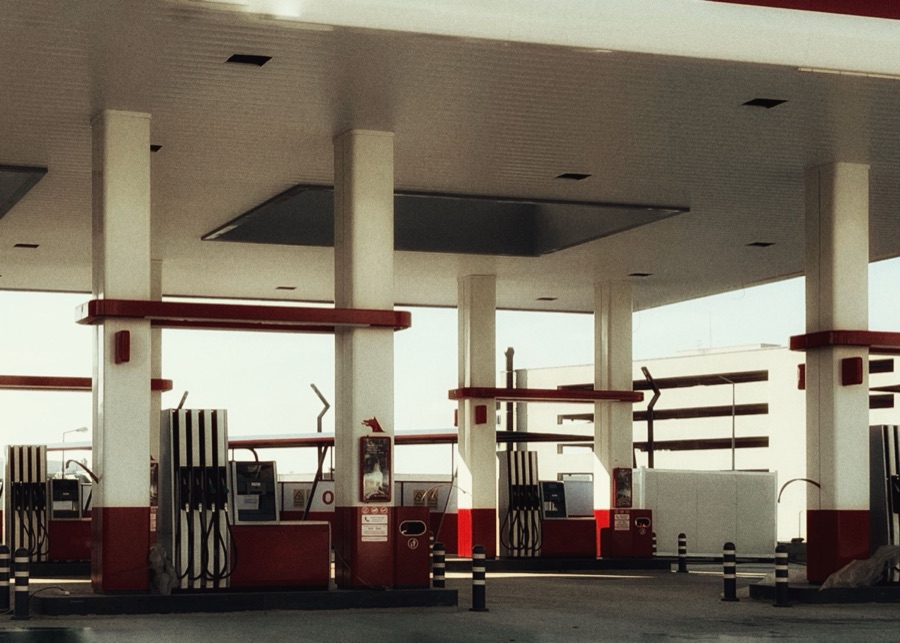
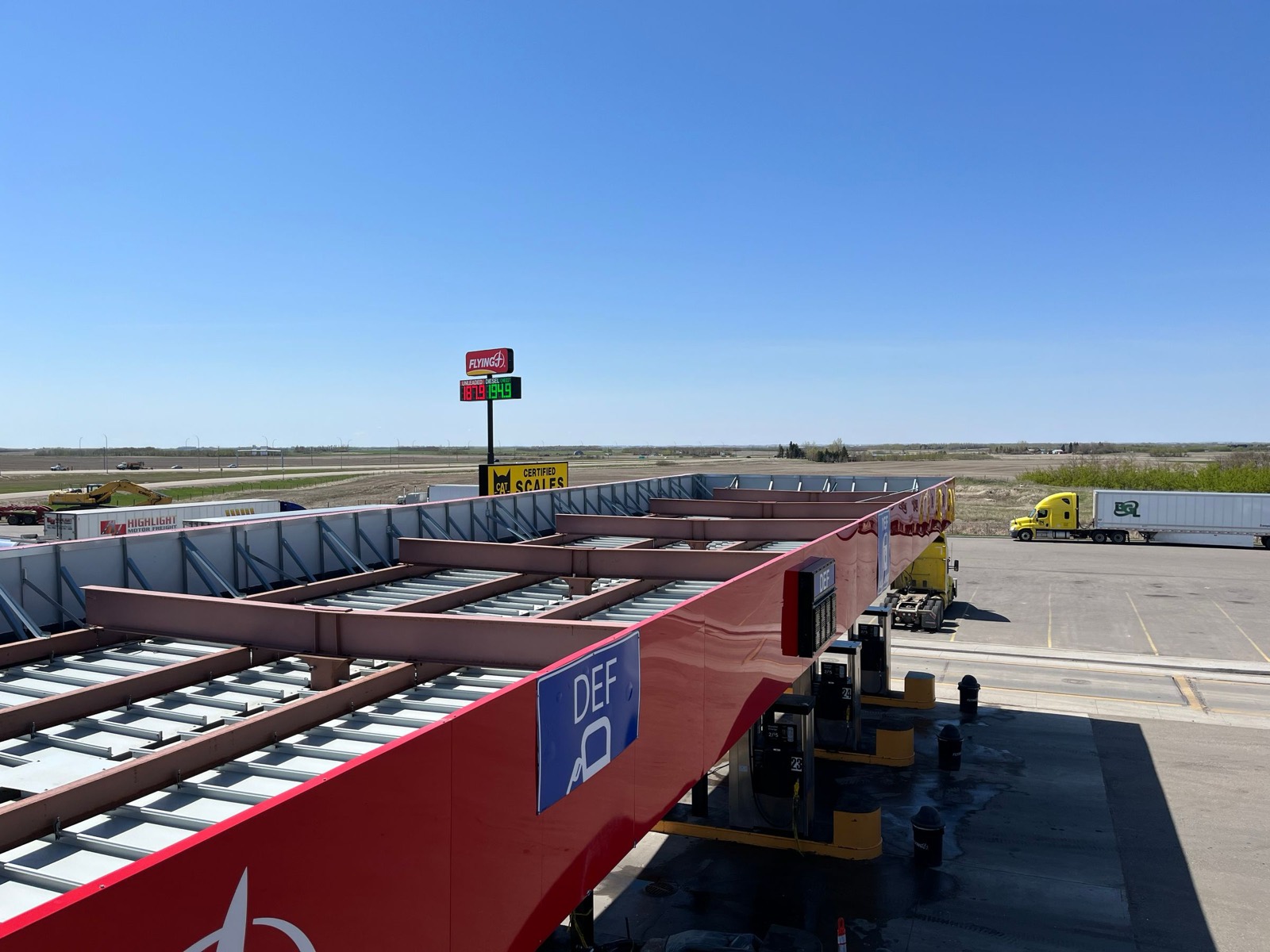
A truck stop or travel center is a large-format fuel and convenience property built to serve both passenger vehicles and commercial trucks. The defining features are high-flow diesel lanes, an expanded convenience store, and amenities that retail stations do not carry: overnight truck parking, driver showers, weigh scales, quick-service restaurants, and sometimes maintenance bays. These sites sit on interstate exits and freight corridors where daily traffic supports volume far above a standard location. A busy urban station does 100,000 to 150,000 gallons per month, and a true travel center runs well beyond that. The asset class spans owner-operated single sites up to multi-acre flagship centers. Many trade as real estate plus an operating business, which shapes how buyers underwrite them. See our truck stop listings for current inventory.
Why Buyers Want Travel Centers
The appeal is volume and profit mix. Travel centers move more fuel and more inside merchandise than any other station format, and the inside store is where the money is. Across the sector the C-store is about 30 percent of revenue but roughly 70 percent of profit, with in-store items carrying 20 to 40 percent margins. Fuel itself is thinner than it looks: 2025 gross fuel margins averaged 40-plus cents per gallon, but net fuel profit is only a few cents per gallon after costs. The food, beverage, and amenity revenue at a travel center compounds the inside-sales advantage. For investors, a NNN-leased travel center can deliver durable income at institutional scale. For operators, the throughput supports staffing, restaurants, and services that a small station cannot. Review the income drivers in our gas station profit margins guide and profitability guide.
Valuation and Cap Rates
Travel centers price on cap rate when leased and on EBITDA multiple when sold with the business. National fuel and C-store cap rates run about 5.6 percent, roughly 5.58 percent with fuel income and 6.87 percent without. Geography moves the number: Florida is tightest near 5.11 percent, Texas about 5.63 percent, the Carolinas 5.0 to 5.5 percent, Tennessee 5.4 to 5.75 percent, and weaker markets 6.0 to 6.5 percent or higher. On a multiple basis, business-only deals trade at 2.5x to 4.0x EBITDA, combined deals at 4.0x to 7.0x EBITDA, and real-estate-inclusive sales at about 8x EBITDA, reaching 7x to 9x in premium markets. Run the numbers with our cap rate calculator and valuation calculator, or read what makes a good cap rate.
How to Buy a Travel Center
Financing a travel center starts with the deal structure. SBA 7(a) funds these special-purpose properties up to 5 million dollars and requires a 15 percent minimum equity injection, with 10 to 15 percent down, real estate terms up to 25 years, and June 2026 rates around 9 to 11.5 percent APR variable. SBA closings run 30 to 90 days. Conventional lending typically requires 30 to 40 percent down, and many banks avoid underground storage tanks because of CERCLA liability, with closings of 30 to 60 days. Every SBA fuel deal requires a Phase I ESA under ASTM E1527-21, which costs 1,800 to 3,500 dollars. Due diligence on a travel center is heavier than a small station because of tanks, restaurants, and equipment. Start with our buyer services, the due diligence checklist, and the SBA 7(a) loan guide.
How to Sell a Travel Center
Selling a travel center is a managed process, not a listing. Typical sale timelines run 3 to 6 months. Broker commissions are 10 to 20 percent on business-only deals and roughly 6 to 10 percent on real-estate-inclusive transactions, because the larger price base on a real estate deal supports a lower rate. The work that determines price happens before launch: clean financials, documented fuel volume and inside-sales margins, current environmental records, and a defensible cap rate or multiple. Owners exiting into other property can defer gains through a 1031 exchange, which allows 45 calendar days to identify and 180 days to close from the sale, with absolute NNN 15 to 20 year terms as ideal replacements. Gas Station Trader runs dispositions through Eagle Nest Brokerage LLC, a licensed Texas broker. Start with our seller services, the sale-leaseback option, and the 1031 deadline calculator.
FAQ
Common questions
Price depends on whether you buy the real estate, the business, or both. Business-only deals trade at 2.5x to 4.0x EBITDA, combined real estate and business deals at 4.0x to 7.0x EBITDA, and real-estate-inclusive sales at about 8x EBITDA, reaching 7x to 9x in premium markets. On a cap rate basis, national fuel and C-store assets run about 5.6 percent, with strong markets like Florida near 5.11 percent. Use our valuation calculator to model a specific site.
National fuel and C-store cap rates run about 5.6 percent, roughly 5.58 percent with fuel income and 6.87 percent without. The market drives the spread: Florida is tightest near 5.11 percent, Texas about 5.63 percent, the Carolinas 5.0 to 5.5 percent, Tennessee 5.4 to 5.75 percent, and weaker markets 6.0 to 6.5 percent or higher. Branded credit tenants compress further, with corporate-backed C-store brands in the 4.83 to 5.65 percent range.
Yes. SBA 7(a) funds these special-purpose properties up to 5 million dollars with a 15 percent minimum equity injection, 10 to 15 percent down, real estate terms up to 25 years, and June 2026 rates around 9 to 11.5 percent APR variable. SBA closings run 30 to 90 days. A Phase I ESA under ASTM E1527-21 is required for SBA fuel deals and costs 1,800 to 3,500 dollars. Conventional financing typically requires 30 to 40 percent down, and many banks avoid underground storage tanks due to CERCLA liability.
Because the inside store carries the profit. Across the sector the C-store is about 30 percent of revenue but roughly 70 percent of profit, with in-store items at 20 to 40 percent margins. Fuel is high revenue and low net margin: 2025 gross fuel margins averaged 40-plus cents per gallon, but net fuel profit is only a few cents per gallon. Travel centers extend this advantage with restaurants, amenities, and services that add high-margin revenue on top of the store.
Put us to work
Want this asset type in your inbox?
Join deal alerts and we will send matching opportunities, including off-market deals.