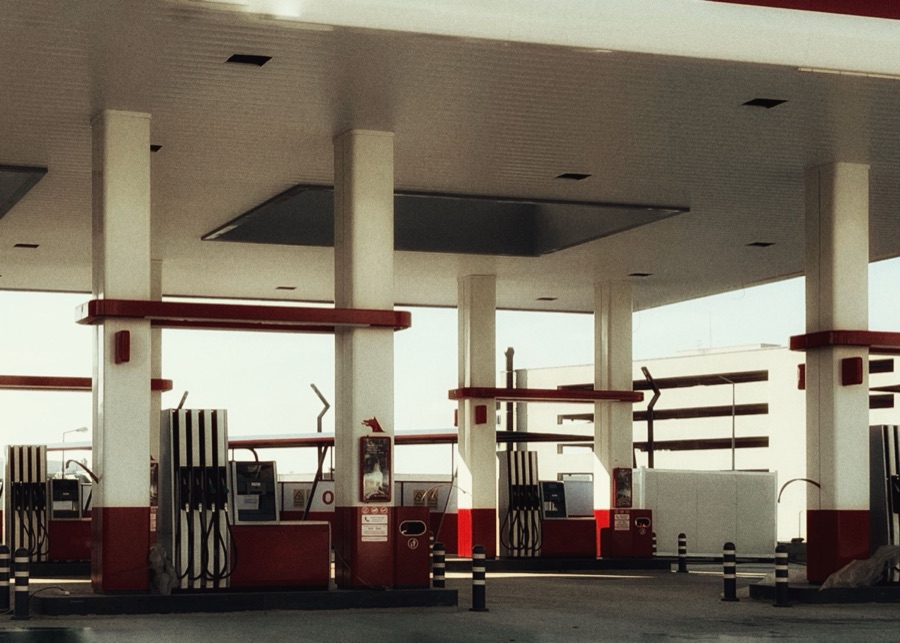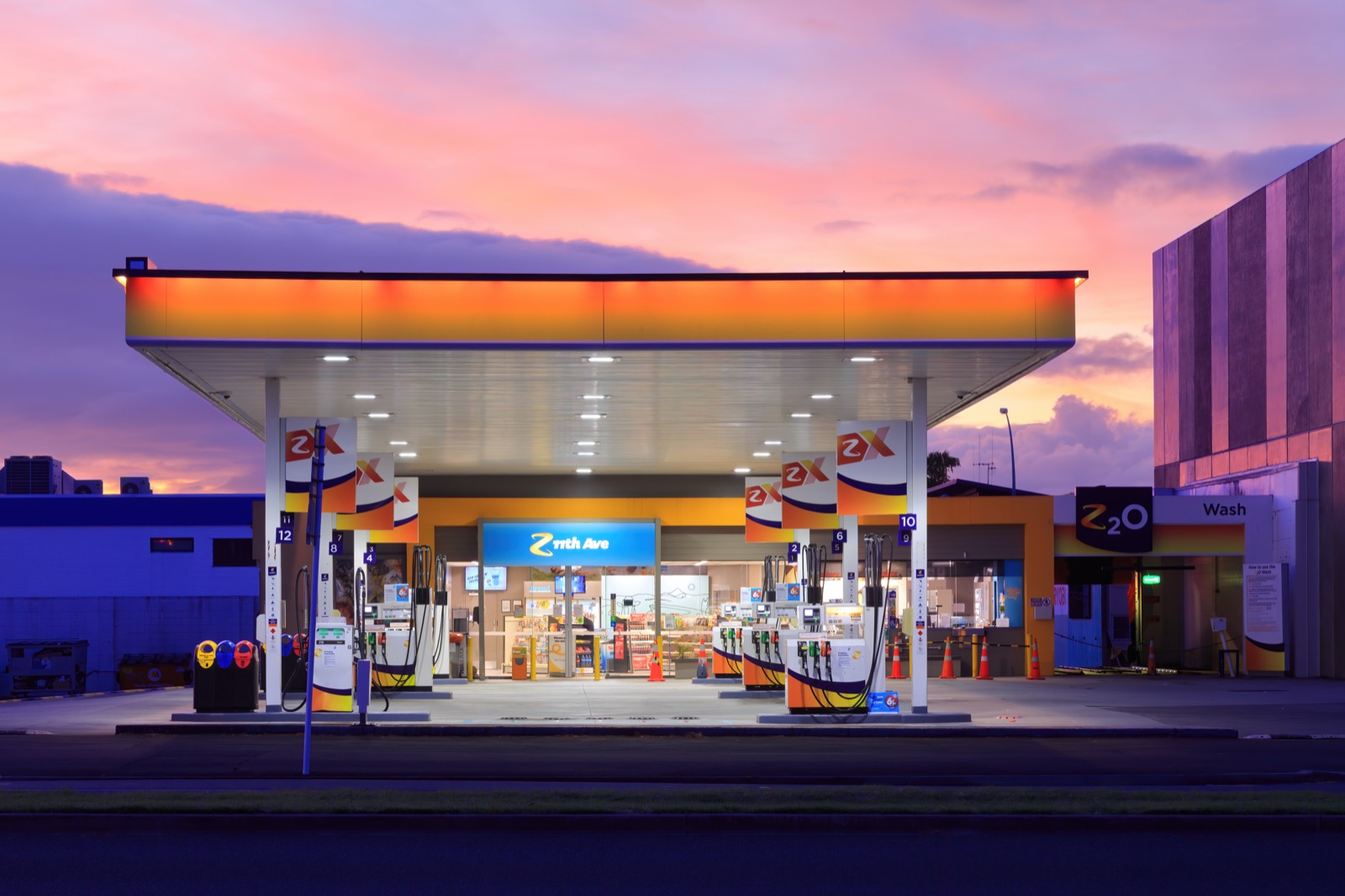
New York City sits inside a state with roughly 7,560 convenience stores, and the 5 boroughs represent some of the most supply-constrained, high-traffic fuel and C-store real estate in the country. Dense zoning, scarce corner lots, and high foot and vehicle counts make NYC stations behave differently from the national average. A busy urban station here can move 100,000 to 150,000 gallons per month, well above the US average of roughly 4,000 gallons per day, and in-store sales drive most of the profit. We run buy-side, sell-side, and sale-leaseback assignments with the underwriting discipline NYC deals demand.
The New York City gas station market
New York State has about 7,560 convenience stores, ranking 4th nationally behind Texas at roughly 16,500, California at about 12,140, and Florida near 9,730. Across the country roughly 60% of stores are single-store operators, and that independent ownership pattern is common across the 5 boroughs. NYC sites trade on traffic and scarcity. A high-volume urban station can run 100,000 to 150,000 gallons per month, far above the US average of about 4,000 gallons per day.
The economics favor the store. Inside sales carry 20% to 40% margins and account for roughly 70% of profit on about 30% of revenue, because net fuel profit is only a few cents per gallon even when 2025 fuel gross margins averaged 40 plus cents per gallon. Compare metro pricing on our New York gas stations for sale page.
Buying a gas station in New York City
Most NYC fuel acquisitions are financed through SBA or conventional debt. The SBA 7(a) program caps at $5 million, and special-purpose gas stations require a 15% minimum equity injection, so plan on 10% to 15% down with real estate terms up to 25 years. As of June 2026, SBA rates run about 9% to 11.5% APR variable, with closings in 30 to 90 days. Conventional financing typically requires 30% to 40% down and closes in 30 to 60 days, though many banks avoid underground storage tanks due to CERCLA liability.
Budget for a Phase I ESA at $1,800 to $3,500 under ASTM E1527-21, which is required for SBA fuel deals and especially important given NYC tank age. Start with our buy-side advisory, the due diligence checklist, and our SBA 7(a) guide.
Selling a gas station in New York City
Pricing a NYC station correctly is the difference between a clean close and a stalled listing. Business-only sales trade at 2.5x to 4.0x EBITDA, smaller stores at 2.0x to 3.5x SDE, combined business-plus-property deals at 4.0x to 7.0x EBITDA, and real estate-inclusive sales at about 8x EBITDA, reaching 7x to 9x in premium markets. We package financials, fuel throughput, and inside-sales margins so buyers and their lenders can underwrite quickly.
Expect a 3 to 6 month timeline. Broker commissions run 10% to 20% on business-only deals and about 6% to 10% on real estate-inclusive transactions. List with our sell-side team, run numbers on the valuation calculator, and review the closing process before going to market.
Values and cap rates in New York
National cap rates average about 5.6%, near 5.58% with fuel and 6.87% without fuel. Credit tenancy compresses pricing further: 7-Eleven trades at 5.00% to 5.40%, Circle K at 5.35% to 5.65%, Wawa at 4.83% to 5.20%, and Murphy USA near 5.13%. Tightest state markets like Florida sit near 5.11%, while weaker markets push 6.0% to 6.5% plus. NYC's scarcity and traffic generally support pricing on the stronger end of the range for well-located, branded sites.
For 1031 buyers, an absolute NNN lease with a 15 to 20 year term is the ideal replacement, and the IRS clock is firm at 45 days to identify and 180 days to close. Model deals with the cap rate calculator and explore NNN gas station listings.