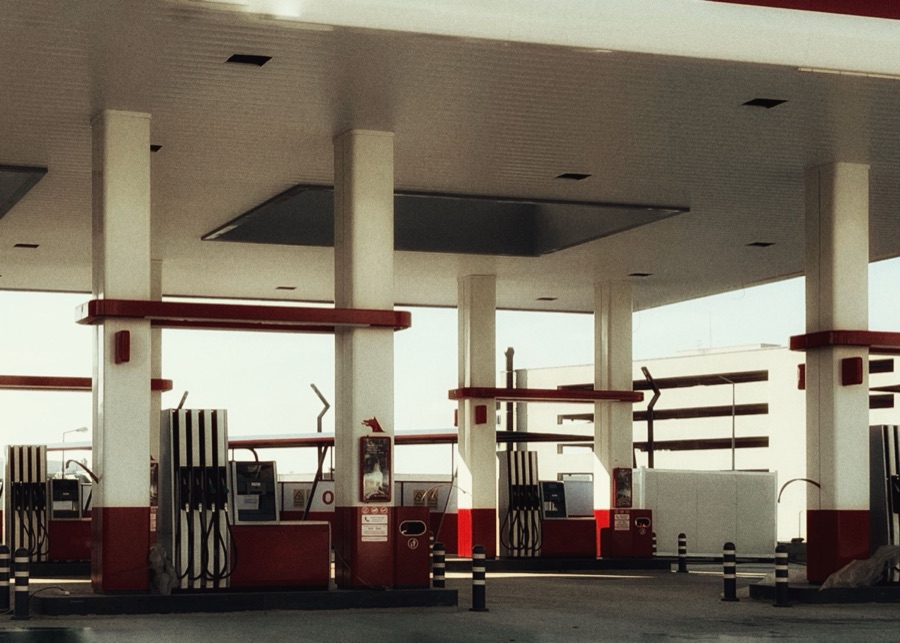
 Previously Marketed
6 Stores
Previously Marketed
6 Stores
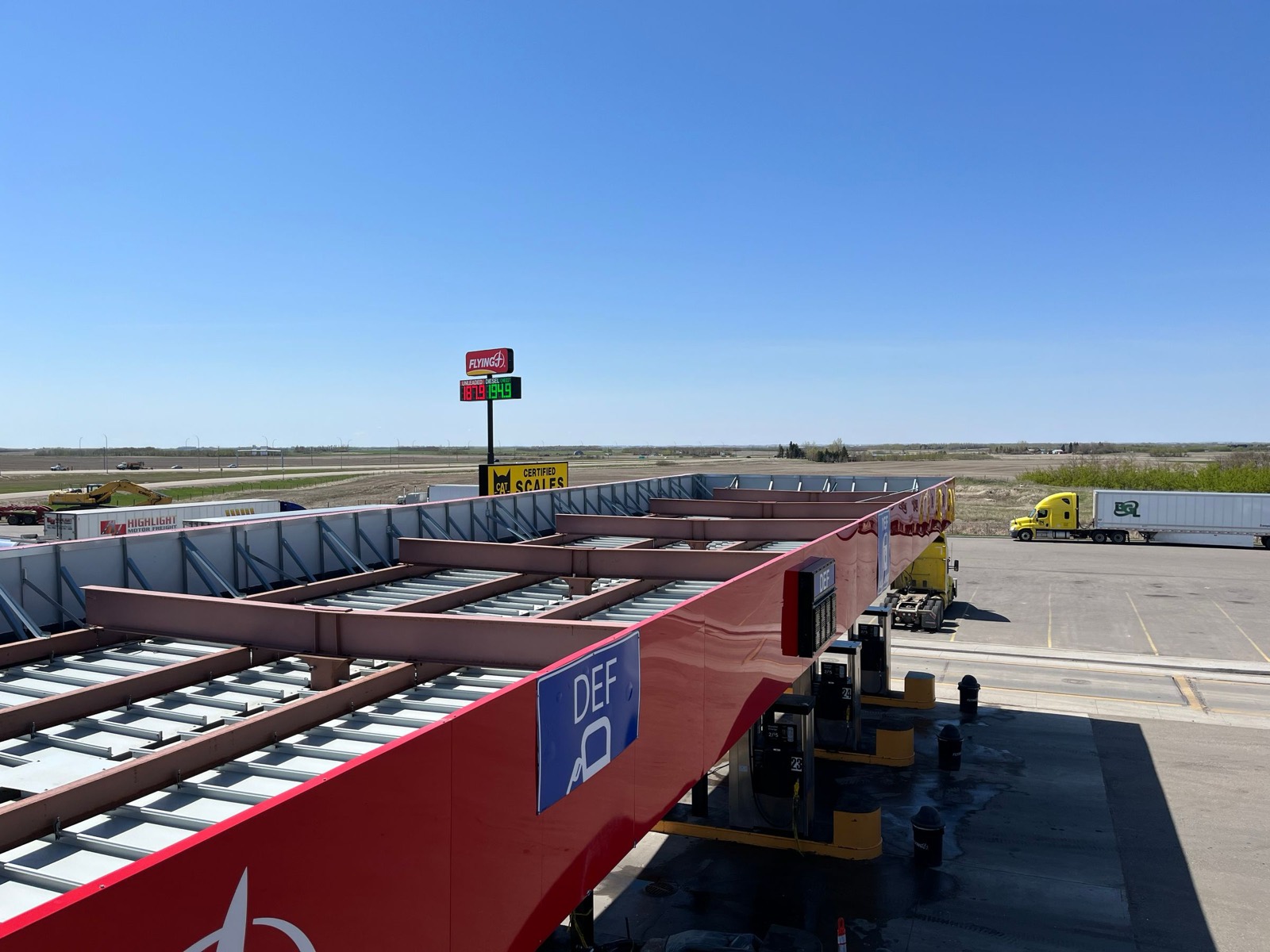
For sale
Convenience Stores for sale.
Listings, valuation benchmarks, and deal structures for buying or selling a convenience store, with or without fuel and real estate.
Previously marketed
Representative transactions
Key takeaways
- C-store deals split into three structures: business-only at 2.5x to 4.0x EBITDA, business plus fuel at 4.0x to 7.0x, and full real estate packages near 8x EBITDA (7x to 9x in premium markets).
- National cap rates sit around 5.6%, with corporate-guaranteed tenants like Wawa pricing as low as 4.83% and weaker single-tenant markets reaching 6.0% to 6.5% or higher.
- Inside sales are the profit engine: about 30% of revenue but near 70% of profit, with in-store items at 20% to 40% margins versus a few cents net per gallon on fuel.
- SBA 7(a) financing caps at $5M with a 15% minimum equity injection for special-purpose fuel deals, and a Phase I ESA ($1,800 to $3,500) is required before any SBA fuel closing.
- Of roughly 152,000 US C-stores, close to 60% are single-store operators, which keeps supply of independent stores for sale steady across major states.
A convenience store for sale can mean very different deals. Some are pure businesses with no land, where buyers pay 2.5x to 4.0x EBITDA for the operation alone. Others package the store with fuel, real estate, and a branded canopy, trading closer to 8x EBITDA and roughly 5.6% cap rates nationally. The economics surprise most first-time buyers. In-store sales run about 30% of revenue but generate near 70% of profit, with packaged goods carrying 20% to 40% margins while fuel nets only a few cents per gallon. There are about 152,000 C-stores in the US, and close to 60% are single-store operators looking to sell or scale. Gas Station Trader brokers these deals on both sides, from absentee NNN-leased properties to owner-operated stores.
What a Convenience Store for Sale Actually Includes
The phrase covers a wide range of assets. A business-only sale transfers the operation, inventory, and goodwill while the buyer leases or separately owns the building. A combined sale adds the fuel operation. A real estate package conveys the land, the store, and the fuel infrastructure together, which is what most absentee investors want.
Format matters too. A busy urban store can move 100,000 to 150,000 gallons per month against a US average near 4,000 gallons per day, and the inside business is where margin lives. In-store items carry 20% to 40% margins, and the C-store side produces roughly 70% of total profit on about 30% of revenue. Our branded and NNN listings span all three structures.
Why Buyers Want C-Store Assets
Convenience stores combine durable cash flow with hard-asset backing. A small-to-medium station owner often nets about $70K to $100K per year, and stronger sites reach $100K to $500K depending on volume, location, and fuel contract. The inside-sales margin structure cushions the business when fuel margins compress, and 2025 fuel gross margins still averaged 40-plus cents per gallon even though net fuel profit is only a few cents.
For passive investors, a corporate-leased C-store delivers mailbox-money income with national-credit backing. For operators, the appeal is control over the high-margin inside business. With about 152,000 US stores and close to 60% single-store operators, deal flow is consistent. See our guides on whether owning a gas station is profitable and how much owners make.
How These Assets Are Valued and Priced
Pricing follows the deal structure. Business-only stores trade at 2.5x to 4.0x EBITDA, or 2.0x to 3.5x SDE for smaller operations. Add the fuel business and the range moves to 4.0x to 7.0x EBITDA. Include the real estate and pricing centers near 8x EBITDA, reaching 7x to 9x in premium markets.
On a cap-rate basis, the national average runs about 5.6%, near 5.58% with fuel and 6.87% without. Tenant credit drives the spread: Wawa trades at 4.83% to 5.20%, 7-Eleven at 5.00% to 5.40%, Murphy USA around 5.13%, and Circle K at 5.35% to 5.65%. Geography matters too, with Florida tightest near 5.11% and weaker markets at 6.0% to 6.5% or more. Run the numbers with our cap rate calculator and valuation calculator.
How to Buy or Sell a Convenience Store
Buyers usually finance through SBA or conventional debt. The SBA 7(a) program caps at $5M, requires a 15% minimum equity injection on special-purpose fuel deals (10% to 15% down), and offers real estate terms up to 25 years, with June 2026 rates around 9% to 11.5% APR variable and closings in 30 to 90 days. Conventional loans typically need 30% to 40% down, and many banks avoid underground storage tanks over CERCLA liability. A Phase I ESA at $1,800 to $3,500 under ASTM E1527-21 is required for SBA fuel deals.
Sellers should expect 3 to 6 month timelines and broker commissions of 10% to 20% on business-only deals or about 6% to 10% when real estate is included. Start with our buyer services, seller representation, or the due diligence checklist.
FAQ
Common questions
Price depends on what is included. A business-only operation trades at 2.5x to 4.0x EBITDA (2.0x to 3.5x SDE for smaller stores). Add the fuel business and the range is 4.0x to 7.0x EBITDA. A full package with land and fuel infrastructure prices near 8x EBITDA, or 7x to 9x in premium markets. On a cap-rate basis, expect about 5.6% nationally, tighter for corporate-leased stores. See our cost guide for detail.
Yes. The SBA 7(a) program caps at $5M and is commonly used for fuel C-stores. Special-purpose gas station deals require a 15% minimum equity injection, so plan on 10% to 15% down. Real estate terms run up to 25 years, June 2026 rates are roughly 9% to 11.5% APR variable, and closings take 30 to 90 days. A Phase I ESA at $1,800 to $3,500 is required. See our SBA 7(a) guide and financing services.
Fuel drives traffic but earns little. In 2025, fuel gross margins averaged 40-plus cents per gallon, yet net fuel profit is only a few cents after card fees and freight. In-store items carry 20% to 40% margins. The result is that the C-store side produces about 70% of total profit on roughly 30% of revenue. Read our profit margin guide for the full breakdown.
The national average is about 5.6%, near 5.58% with fuel and 6.87% without. Corporate-guaranteed tenants compress further: Wawa at 4.83% to 5.20% and 7-Eleven at 5.00% to 5.40%. Independent or weaker-market stores can reach 6.0% to 6.5% or higher. Florida is tightest near 5.11%, Texas about 5.63%. Use our cap rate calculator or read what a good cap rate looks like.
Put us to work
Want this asset type in your inbox?
Join deal alerts and we will send matching opportunities, including off-market deals.