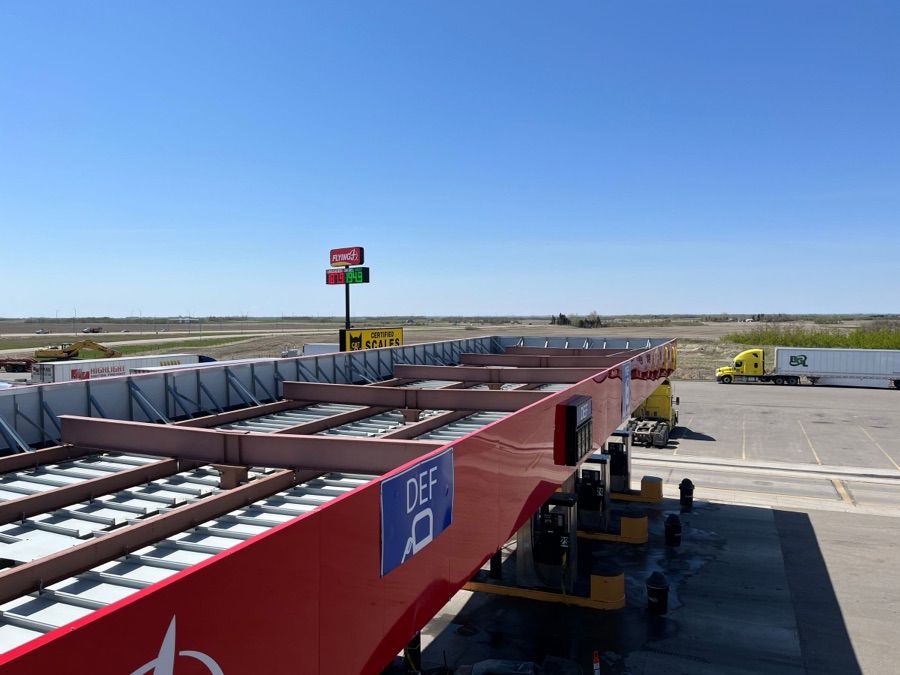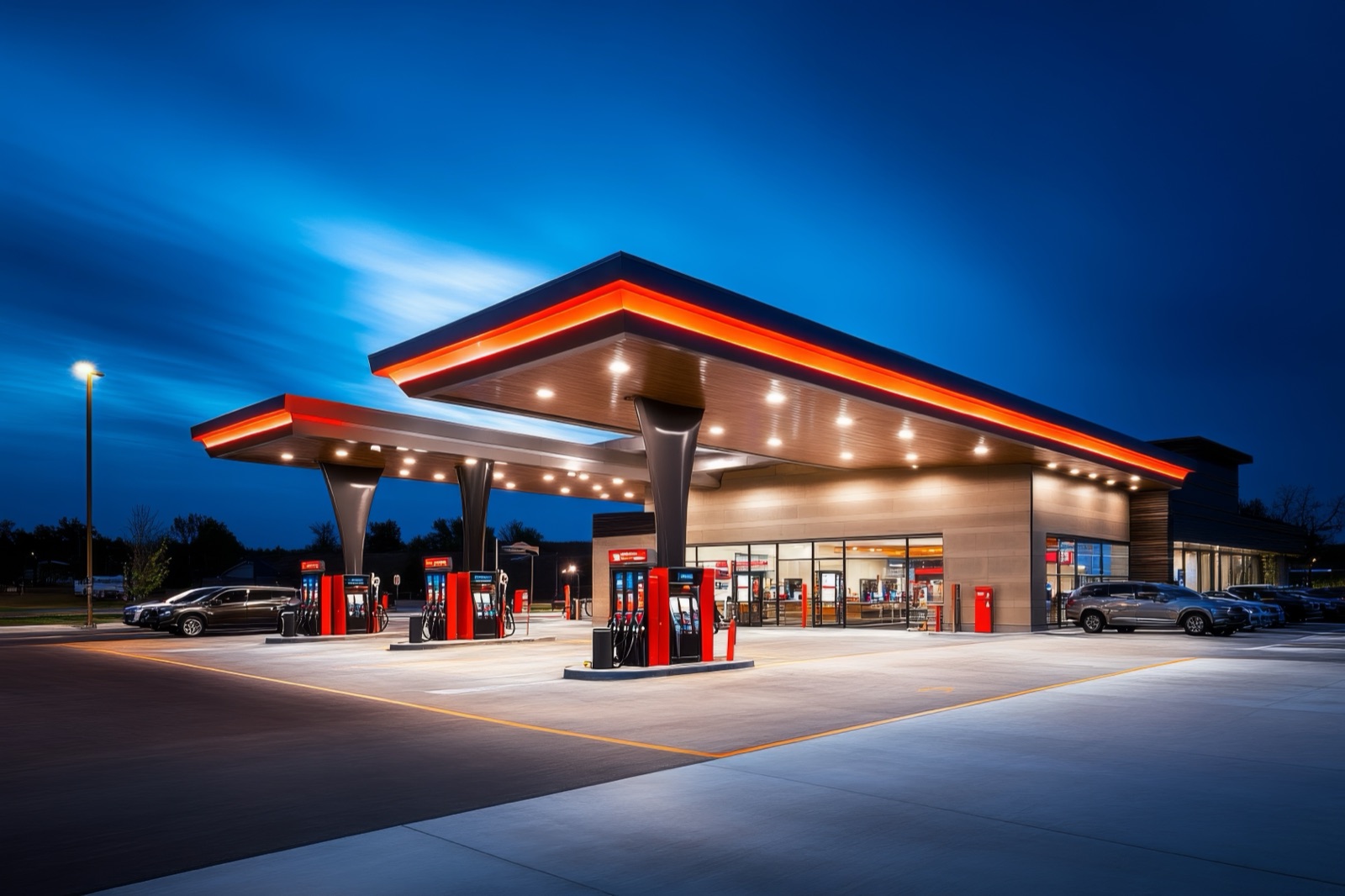
Sunoco

Sunoco gas stations for sale.

What a Sunoco branded fuel deal involves, what it is worth at current cap rates, and how to buy or sell one.

Key takeaways
  • US C-store cap rates run about 5.6% nationally, roughly 5.58% with fuel income and 6.87% without it, and a Sunoco site is priced against that band based on volume, lease, and location.
  • The fuel supply and image agreement is the core of a Sunoco deal. It controls your branded fuel cost, signage and canopy standards, and the remaining term, all of which a buyer underwrites.
  • Real estate plus business deals price near 8x EBITDA, 7x to 9x in premium markets. Business-only sales run 2.5x to 4.0x EBITDA. Fuel branding adds value when the agreement has runway.
  • SBA 7(a) financing tops out at 5 million dollars with a 15% minimum equity injection on special-purpose fuel sites, plus a required Phase I ESA at 1800 to 3500 dollars.
  • C-store sales drive profit. In-store items carry 20% to 40% margins, and the store is about 30% of revenue but roughly 70% of profit, so in-store performance moves a Sunoco valuation.

A Sunoco gas station is a branded fuel site operating under a fuel supply and image agreement, usually sourced through a distributor rather than directly from the refiner. That branded structure shapes everything about a deal. It sets your fuel cost, your signage and canopy standards, and the term you are locked into. Most US C-store sites trade in a national cap rate band of about 5.6%, roughly 5.58% with fuel income and 6.87% without it, and a Sunoco site prices against that range based on volume, lease quality, and market. Buyers weigh fuel throughput, in-store margin, and the remaining branding term. We broker these deals as the fuel and C-store practice of Eagle Nest Property Group, with 250 million dollars plus transacted. See our buyer services and branded station listings.

What a Sunoco branded fuel deal involves

A Sunoco deal is a branded fuel station, so you are buying three things at once. The first is real estate, the land, building, canopy, and underground storage tanks. The second is the operating business, fuel sales plus the convenience store. The third is the branding relationship, the fuel supply and image agreement that puts Sunoco signage on the site.

How you buy depends on which of these is included. A fee-simple purchase gives you land, store, and brand obligations together. A leased-fee or absentee structure means you hold the real estate and collect rent from an operator. Business-only deals transfer the operation without the dirt. Each path carries different cap rates, financing, and risk. Start with our buyer guide and run the numbers in the valuation calculator.

Fuel supply, branding, and image obligations

The fuel supply and image agreement is the document that defines a Sunoco deal. It is typically held through a branded distributor, and it controls your branded fuel cost, minimum gallon commitments, the remaining term, and image standards for signage, canopy, dispensers, and store appearance. A buyer reads this agreement first, because a short remaining term or a costly required image upgrade changes the price.

Branded fuel sets your wholesale cost and your margin discipline. In 2025, fuel gross margins averaged 40 cents per gallon plus, but net fuel profit is only a few cents per gallon after card fees and freight. That is why in-store sales matter so much. Confirm the term, the supply price, and any pending image reset before you sign. Our jobber fuel supply agreement guide and branded vs unbranded breakdown cover the tradeoffs.

Who buys Sunoco gas stations

Three buyer types compete for Sunoco sites. Owner-operators want a site they run themselves, often a first or second store, financed with an SBA 7(a) loan. About 60% of US C-store operators are single-store owners, so this is the largest pool. A small-to-medium station owner often nets about 70K to 100K dollars per year, rising to 100K to 500K by site.

Investors want passive income and buy on cap rate, usually a leased site with an operator in place. They compare a Sunoco deal against tighter branded benchmarks like Murphy USA near 5.13% and Circle K at 5.35% to 5.65%. The third group is 1031 exchange buyers replacing sold property on a deadline. See absentee listings, the who buys guide, and NNN listings.

How a Sunoco station is valued

Value comes from two methods that should agree. The income method applies a cap rate to net operating income. US C-store sites run about 5.6% nationally, roughly 5.58% with fuel and 6.87% without. State matters. Florida is tightest near 5.11%, Texas about 5.63%, the Carolinas 5.0% to 5.5%, Tennessee 5.4% to 5.75%, and weaker markets push to 6.0% to 6.5% plus.

The multiple method values the operation. Real estate plus business deals price near 8x EBITDA, 7x to 9x in premium markets. Business-only sales run 2.5x to 4.0x EBITDA, with SDE at 2.0x to 3.5x for smaller stores. In-store performance drives the number, since the store is about 30% of revenue but roughly 70% of profit. Test both with the cap rate calculator and read what is a good cap rate.

How to buy a Sunoco gas station

Start with financing. SBA 7(a) loans top out at 5 million dollars and require a 15% minimum equity injection on special-purpose fuel sites, so plan on 10% to 15% down, with real estate terms up to 25 years. June 2026 rates run about 9% to 11.5% APR variable, and closings take 30 to 90 days. Conventional financing asks 30% to 40% down, and many banks avoid underground storage tanks because of CERCLA liability, closing in 30 to 60 days.

Then run diligence. A Phase I ESA, ASTM E1527-21, costs 1800 to 3500 dollars and is required for SBA fuel deals. Verify the fuel supply agreement term, tank condition, and trailing financials. Use our due diligence checklist, the SBA 7(a) guide, and financing services.

How to sell a Sunoco gas station

Selling well starts with clean books. Buyers and lenders underwrite trailing financials, so separate fuel and in-store income, document gallon volume, and show owner add-backs clearly. A busy urban station does 100,000 to 150,000 gallons per month against a US average near 4,000 gallons per day, and verifiable throughput supports your price.

Decide the structure before listing. Selling the real estate with the business reaches investors at cap rate near 8x EBITDA. A sale-leaseback lets you keep operating while monetizing the dirt. Business broker commissions run 10% to 20% on business-only deals and about 6% to 10% on real-estate-inclusive deals, with typical timelines of 3 to 6 months. List with our seller team and model proceeds in the sale-leaseback calculator.
Active deals

Stations & portfolios for sale

Sunoco buyer memo

How Sunoco changes the deal.

A Sunoco gas station is not priced only on square footage or gallons. Buyers also underwrite brand control, supply assignment, image obligations, tenant credit, and how the canopy affects repeat traffic.

Demand signal

Northeast and Mid-Atlantic fuel distribution is the first reason this page deserves its own buyer conversation instead of being folded into a generic branded-station page.

Contract signal

dealer and distributor structures changes how a buyer reads the fuel supply agreement, assignment rights, image requirements, and post-closing capital needs.

Buyer signal

supply margin diligence affects who should see the deal first: owner-operators, jobbers, private buyers, institutional NNN investors, or 1031 exchange buyers.

For a Sunoco sale or acquisition, Gas Station Trader compares the brand against alternatives like Shell, 7-Eleven, Circle K, and Valero, then checks whether the value is coming from the real estate, the operating business, the lease, or the fuel contract.

FAQ

Sunoco stations: common questions

US C-store sites trade in a national band of about 5.6%, roughly 5.58% with fuel income and 6.87% without it. A Sunoco site prices within that range based on fuel volume, lease quality, and market. Tighter states like Florida near 5.11% and Texas about 5.63% command lower cap rates, while weaker markets run 6.0% to 6.5% plus. Branded benchmarks for context include Murphy USA near 5.13% and Circle K at 5.35% to 5.65%.
Price depends on income and structure rather than a fixed number. Real estate plus business deals price near 8x EBITDA, 7x to 9x in premium markets, while business-only sales run 2.5x to 4.0x EBITDA. The income approach applies the cap rate band of about 5.6% to net operating income. Run your specific numbers in the valuation calculator, since fuel volume and in-store margin drive the result more than the brand alone.
SBA 7(a) loans top out at 5 million dollars and require a 15% minimum equity injection on special-purpose fuel sites, so 10% to 15% down, with real estate terms up to 25 years. June 2026 rates run about 9% to 11.5% APR variable and closings take 30 to 90 days. Conventional loans ask 30% to 40% down, and many banks avoid underground storage tanks because of CERCLA liability.
It is the branded distributor agreement that sets your branded fuel cost, minimum gallon commitments, the remaining term, and image standards for signage, canopy, dispensers, and store appearance. A buyer reads this first, because a short remaining term or a required image upgrade changes the price. Confirm the term, supply pricing, and any pending image reset during diligence.
Yes for SBA fuel financing. A Phase I ESA under ASTM E1527-21 costs 1800 to 3500 dollars and is required on SBA fuel deals. Because Sunoco sites have underground storage tanks, environmental review matters even on conventional deals, and many banks avoid tank sites because of CERCLA liability. Order the Phase I early so it does not delay a 30 to 90 day closing.
Fuel and forecourt lens

Sunoco through the fuel retail underwriting lens.

This page is evaluated through the fuel site first: gallons, grade mix, margin after card fees, MPD count, canopy visibility, tank history, environmental risk, supplier economics, and the physical forecourt. For branded gas stations, the canopy brings fuel trust, but the supplier agreement and forecourt condition decide transferability.

Environmental liability

Phase I findings, UST history, insurance, open incidents, and remediation obligations should be cleared before a lender or serious buyer relies on price.

Fuel margin after fees

Gross margin is not enough. Card fees, freight, rebates, price wars, and discount programs decide how much fuel profit is real.

Ingress and traffic conversion

Traffic count only matters if drivers can see, enter, fuel, and exit easily. Median cuts, signalized corners, truck access, and competing corners must be mapped.

Diesel and fleet demand

Diesel mix, fleet accounts, commercial routes, and truck access can materially change value, especially for highway and industrial-market assets.

For gas station deals, the highest-value diligence usually lives in wet-stock reports, tank records, fuel invoices, supplier contracts, dispenser condition, canopy and lighting, traffic ingress, environmental reports, and fuel margin history. This brand page is intentionally written for buyers, operators, lenders, and investors underwriting fuel volume and fuel real estate, so it should be evaluated on the specific commercial questions it answers, not only on broad national search terms.

Sunoco vertical read

Sunoco through Gas Station Trader's lane.

Sunoco matters to a gas station buyer because the canopy affects fuel trust, gallons, supplier economics, assignment rights, and required image standards.

A Sunoco gas station should be reviewed through fuel records first: monthly gallons by grade, diesel mix, wet-stock reports, supplier pricing, rebates, freight, card fees, dispenser condition, canopy visibility, and traffic ingress.

For sellers, the best package pairs the Sunoco supply and image documents with UST records, Phase I material, tank insurance, MPD maintenance, environmental history, and a clear path to supplier consent.

That is why Gas Station Trader treats Sunoco as a fuel-site underwriting page, not only a generic brand page. The brand helps demand, but tank, contract, and forecourt quality defend the price.

Decision checklist

What makes Sunoco a real diligence page.

This brand page is strongest when it helps a visitor decide what to do with a real fuel asset. The checklist below keeps the page tied to gas-station economics: gallons, tanks, supplier terms, forecourt condition, environmental records, card fees, and traffic conversion.

Fuel gallons by month proof

Ask for evidence. Ask for monthly gallons by grade and diesel, not one annual total. Seasonality, price competition, and grade mix can change the real margin story. For Sunoco, do not treat this as generic background; make it part of the buyer, seller, lender, or investor checklist.

Wet-stock and tank records proof

Ask for evidence. Tank tightness, release history, monitoring, cathodic protection, spill buckets, and ATG reports belong in the first diligence package. For Sunoco, do not treat this as generic background; make it part of the buyer, seller, lender, or investor checklist.

MPD and canopy condition proof

Ask for evidence. Dispenser age, EMV status, hose condition, canopy lighting, signage, paving, and pump-island layout can create near-term capital needs after closing. For Sunoco, do not treat this as generic background; make it part of the buyer, seller, lender, or investor checklist.

Supplier and jobber terms proof

Ask for evidence. The fuel supply agreement controls pricing, rebates, volume commitments, assignment rights, branding, and whether a buyer can actually step into the deal. For Sunoco, do not treat this as generic background; make it part of the buyer, seller, lender, or investor checklist.

Environmental liability proof

Ask for evidence. Phase I findings, UST history, insurance, open incidents, and remediation obligations should be cleared before a lender or serious buyer relies on price. For Sunoco, do not treat this as generic background; make it part of the buyer, seller, lender, or investor checklist.

For Gas Station Trader, the indexed value of the page should come from how well it answers the fuel-site question: what would a serious owner, buyer, lender, or broker verify before trusting the gallons and the real estate?

Sunoco transfer notes

The questions that make a Sunoco page index-worthy.

Gas Station Trader treats Sunoco as a fuel-supply and forecourt underwriting question first.

Fuel-volume proof

Sunoco can create driver trust, but a gas-station buyer still needs monthly gallons by grade, diesel mix, supplier invoices, card fees, wet-stock history, and price-margin proof.

Supply transfer

A seller should document assignment rights, fuel contract term, rebates, branding obligations, image requirements, and supplier consent before marketing a Sunoco site.

Forecourt capital

Dispenser age, EMV, canopy lighting, signage, paving, tanks, and environmental files can change the value more than the brand name alone.

Buyer lead quality

A qualified Sunoco gas-station lead should understand fuel supply, environmental diligence, lender expectations, and the capital needed after closing.

Lead qualification

What a serious Sunoco inquiry should include.

Gas Station Trader should turn Sunoco traffic into fuel-property leads with enough detail to underwrite the site, not just a name and phone number. A useful inquiry explains the fuel asset, the tank and supplier proof, and the decision timeline.

Fuel-site snapshot

Share whether this is a single station, portfolio, brand page, market search, guide question, or tool output. Include gallons, brand or supplier, MPD count, diesel mix, real estate versus leasehold, and tank ownership or responsibility.

Diligence proof

The strongest gas-station lead can provide monthly gallons, wet-stock records, supplier agreement, fuel invoices, card fees, tank and ATG records, Phase I material, environmental history, and forecourt capex notes.

Decision path

Clarify whether the goal is to buy, sell, value, refinance, or prepare for a 1031 or sale-leaseback. Include price range, financing capacity, timing, geography, and any supplier or environmental constraints.

For this brand page, a high-quality lead is one where the fuel economics, tank/supplier risk, and next action are clear enough for a broker or principal to respond intelligently.

Sunoco lead screen

How Gas Station Trader qualifies Sunoco interest.

A Sunoco gas-station inquiry should not stop at the flag. The strongest lead explains how the canopy performs on the forecourt and whether the supplier relationship can transfer cleanly.

Forecourt fit

Is the Sunoco location an urban corner, commuter corridor, highway stop, diesel site, or portfolio asset? The answer changes gallons, access, capex, and buyer appetite.

Fuel economics

How much value comes from gallons, grade mix, supplier pricing, rebates, card fees, diesel, and traffic conversion rather than the brand alone?

Transfer screen

Can the buyer assume supplier terms, satisfy image requirements, understand tank responsibility, clear environmental diligence, and keep the forecourt operating after closing?

Institutional guidance

Before you act on Sunoco Gas Stations for Sale & Cap Rates, talk with a sector broker.

Gas Station Trader is built to turn brand interest into a real next step: valuation, buyer match, lending path, diligence package, or confidential sale strategy. Eagle Nest Property Group works across owners, operators, 1031 buyers, and private capital in fuel retail.

Confidential valuation Qualified buyer routing Deal and diligence support
Get started

Buying or selling a Sunoco station?

We transact Sunoco sites nationwide. Tell us your market and criteria and we will go to work.

469.949.6467

Confidential. We never share your information.

Confidential Valuation Browse Deals