 Previously Marketed
6 Stores
Previously Marketed
6 Stores
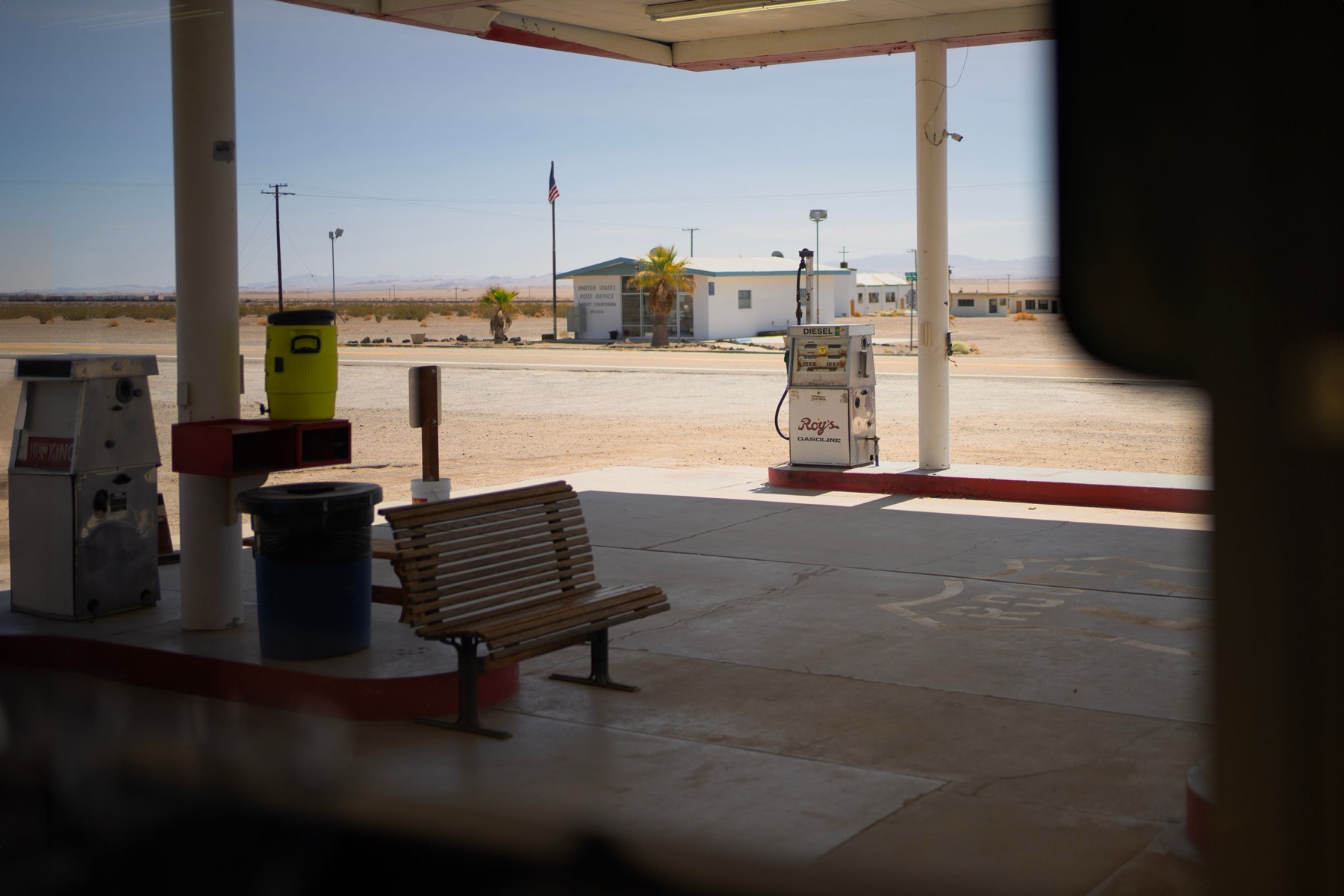
California
Gas stations for sale in California.
~12,140 C-stores (2nd nationally); Chevron's single largest footprint (1,863 stations, ~26% of all U.S. Chevrons) and the priciest, highest-revenue stations in the country.
California is the 2nd largest convenience store market in the country, with about 12,140 C-stores spread across the most demanding fuel retail environment in the United States. It is also Chevron's single largest footprint, home to 1,863 stations, roughly 26% of all U.S. Chevrons, and the priciest, highest-revenue stations in the nation. That combination of branded volume, high fuel prices, and dense urban traffic makes California a market where pricing, environmental diligence, and deal structure matter more than anywhere else. We represent buyers and sellers across the state on acquisitions, dispositions, sale-leasebacks, and financing. Call 817-900-3598.
The California gas station market
California runs about 12,140 C-stores, second only to Texas at roughly 16,500 and ahead of Florida near 9,730. The brand story here is Chevron. The state holds 1,863 Chevron stations, about 26% of every Chevron in the country, alongside large 76, Shell, Arco, Mobil, and 7-Eleven networks. These are also the highest-revenue stations in the nation, driven by elevated pump prices and heavy urban traffic. A busy urban California station can move 100,000 to 150,000 gallons per month, well above the national average of roughly 4,000 gallons per day.
Inside sales carry the profit. The C-store is about 30% of revenue but roughly 70% of profit, with in-store items running 20 to 40% margins. See our branded vs unbranded guide to understand how brand affects volume and resale.
Buying a gas station in California
California acquisitions reward disciplined diligence. Special-purpose fuel sites under the SBA 7(a) program cap at 5 million dollars and require a 15% minimum equity injection, commonly 10 to 15% down, with real estate terms up to 25 years. As of June 2026, rates run roughly 9 to 11.5% APR variable, and SBA closings take 30 to 90 days. Conventional financing usually demands 30 to 40% down, and many banks avoid underground storage tanks because of CERCLA strict liability.
Every SBA fuel deal needs a Phase I Environmental Site Assessment under ASTM E1527-21, costing 1,800 to 3,500 dollars, with gas stations at the high end. Read SBA 7(a) for gas stations and our how to buy a gas station guide before you write an LOI. Browse listings or call 817-900-3598.
Selling a gas station in California
High-volume branded California stations are among the most sought-after fuel assets in the country, which works in a seller's favor. Sale timelines typically run 3 to 6 months, sometimes 6 to 12, and business broker commissions run 10 to 20% on business-only deals and about 6 to 10% on real-estate-inclusive deals. Pricing the dirt, the business, and the fuel contract separately is what protects value.
Underground storage tanks and Phase I findings drive most California retrades, so resolve UST questions before going to market. Capital gains exposure on these higher-priced sites is real, covered in our capital gains guide. Start with how to sell a gas station, then list with us or call 817-900-3598.
California cap rates and station values
National gas station cap rates run about 5.6%, roughly 5.58% with fuel and 6.87% without. California's high-revenue, branded sites trade at the tighter end, with tenant credit shaping the number. Reference points include 7-Eleven at 5.00 to 5.40%, Murphy USA near 5.13%, and Circle K at 5.35 to 5.65%.
On multiples, business-only deals price at 2.5x to 4.0x EBITDA, combined business plus real estate at 4.0x to 7.0x, with 6 to 7x for high-volume branded sites, and deals including real estate at about 8x, ranging 7x to 9x in premium markets like much of California. Run the math with our cap rate calculator and valuation calculator, then read how to value a gas station.
Metros and regions we cover
We work across California's four major fuel markets. Los Angeles and the Inland Empire combine dense urban throughput with logistics corridors and some of the highest pump prices in the state. The San Francisco Bay Area carries premium dirt values and strong inside sales. Sacramento offers Central Valley volume with relatively more available land. San Diego blends border traffic, tourism, and steady residential demand.
Each metro has its own cap rate behavior, entitlement timeline, and UST history, so local pricing matters. NNN investors trading into California often use a 1031 replacement, and absolute NNN gas stations with 15 to 20 year terms make ideal targets. See NNN gas station investing. To buy or sell in any California metro, call 817-900-3598.
Previously marketed
Portfolios we have taken to market
By metro
Gas stations for sale across California
FAQ
Buying & selling gas stations in California
California has about 12,140 convenience stores, the 2nd largest C-store count in the country behind Texas at roughly 16,500 and ahead of Florida near 9,730. The state is also Chevron's single largest footprint, with 1,863 Chevron stations, about 26% of all Chevrons in the United States, and these rank among the priciest, highest-revenue stations in the nation.
National gas station cap rates average about 5.6%, roughly 5.58% with fuel and 6.87% without. California's high-revenue branded stations generally trade at the tighter end of the range. Tenant credit matters: 7-Eleven runs 5.00 to 5.40%, Murphy USA near 5.13%, and Circle K 5.35 to 5.65%. Use our cap rate calculator to model a specific site.
Under the SBA 7(a) program, special-purpose gas stations need a 15% minimum equity injection, commonly 10 to 15% down, with the loan capped at 5 million dollars and real estate terms up to 25 years. Conventional financing usually requires 30 to 40% down, and many banks avoid underground storage tanks because of CERCLA strict liability.
Yes for any SBA-financed fuel deal. A Phase I Environmental Site Assessment under ASTM E1527-21 is required and costs 1,800 to 3,500 dollars, with gas stations at the high end because of their underground storage tanks. Given California's enforcement environment, resolving UST and contamination questions early is critical for both buyers and sellers.
Get started
Buying or selling in California? Let's talk.
Whether you are acquiring your first store in California or exiting a portfolio, we know the California market and the buyers in it.
info@eaglenestpg.com