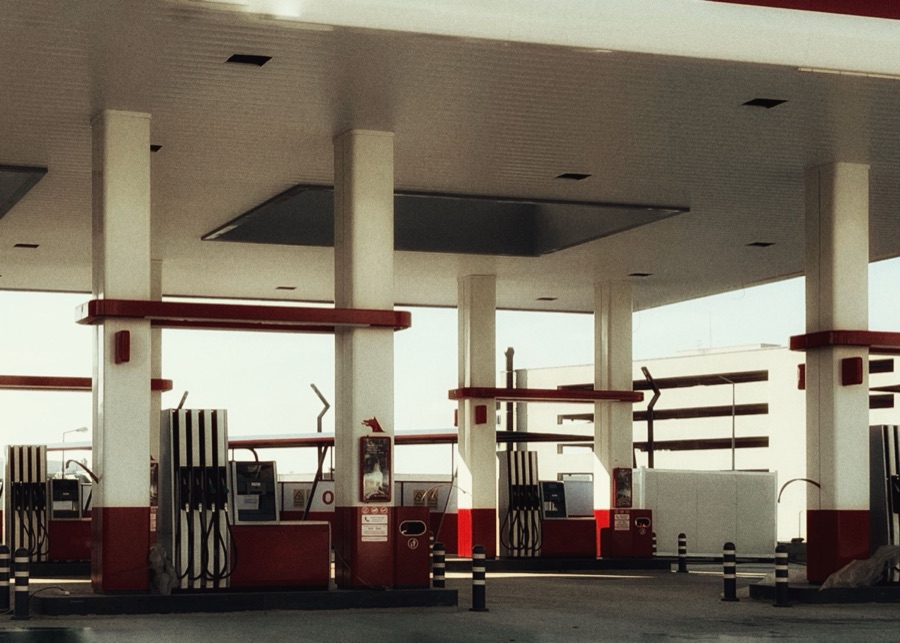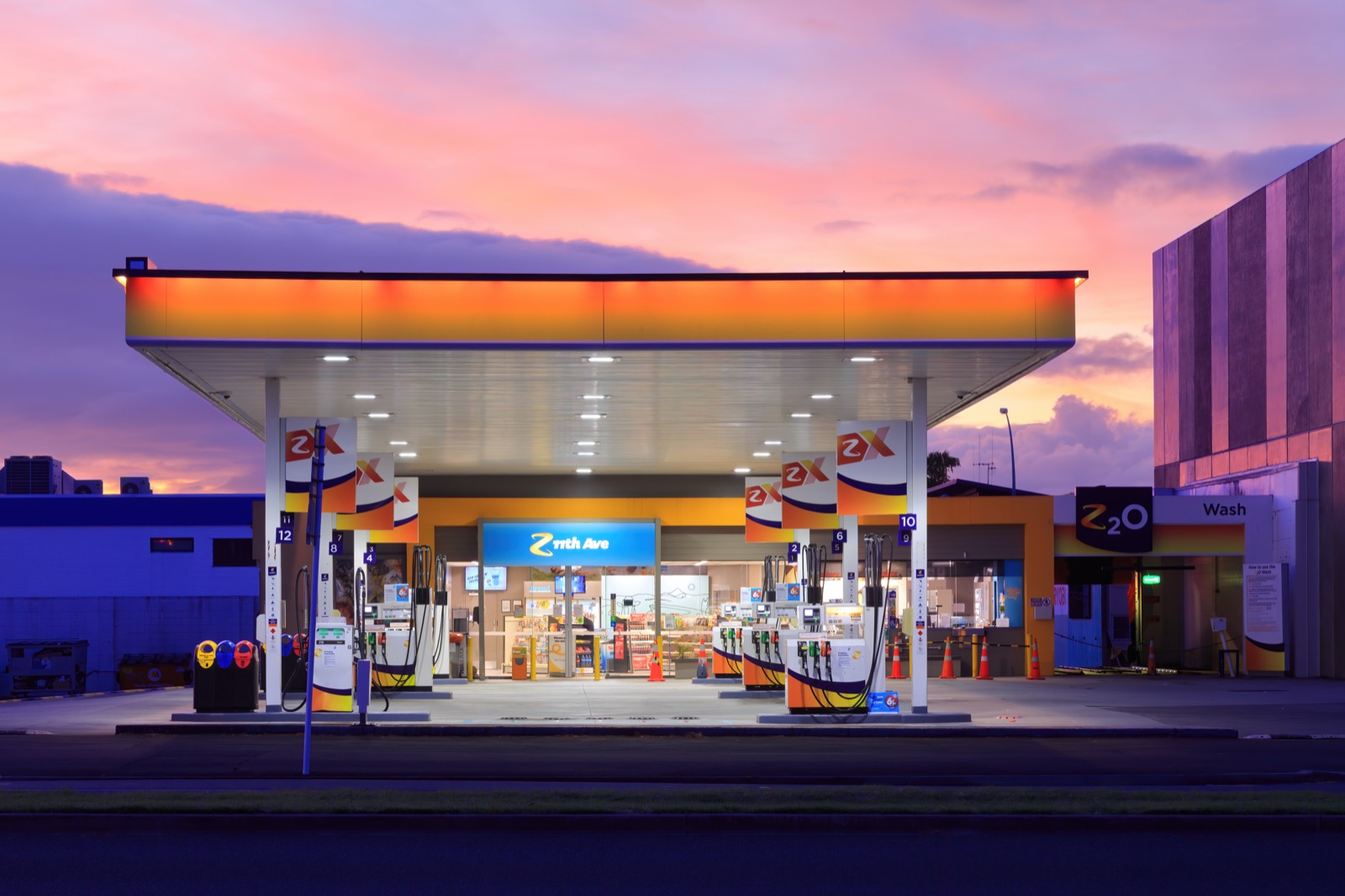
Fresno anchors the agricultural heart of California's Central Valley, with steady commuter and freight traffic moving along Highway 99, Highway 41, and Interstate 5 corridors that feed the region's fuel and convenience demand. California holds about 12,140 C-stores, the second-largest count in the country after Texas, and the state runs tighter cap rates than most of the nation given land values and buyer competition. We help Fresno owners and buyers price deals correctly, structure financing around underground storage tank risk, and close on real terms.
The Fresno gas station market
Fresno sits where Highway 99, Highway 41, and the broader Interstate 5 freight network carry commuters, agricultural haulers, and through traffic across the Central Valley. That traffic mix supports both high-volume fuel sites and convenience-driven corner stores. A busy urban station moves 100,000 to 150,000 gallons per month, well above the US average of about 4,000 gallons per day.
California holds about 12,140 C-stores, second only to Texas at roughly 16,500. Nationally about 60 percent of stores are single-store operators, and Fresno reflects that owner-operator base. For buyers and sellers weighing the broader market, our California gas stations for sale page covers statewide pricing and where the strongest markets sit.
Buying a gas station in Fresno
Most Fresno acquisitions run through SBA 7(a) financing, capped at 5 million dollars. Special-purpose fuel sites require a 15 percent minimum equity injection, meaning 10 to 15 percent down, with real estate terms up to 25 years. As of June 2026, SBA rates run roughly 9 to 11.5 percent APR variable, and closings take 30 to 90 days. A Phase I ESA to ASTM E1527-21 is required for any SBA fuel deal and costs 1,800 to 3,500 dollars.
Conventional financing demands 30 to 40 percent down, and many banks avoid underground storage tank exposure under CERCLA liability. Start with our SBA 7(a) loan guide, the due diligence checklist, and the valuation calculator before you write an offer.
Selling a gas station in Fresno
Pricing a Fresno sale correctly starts with how the deal is structured. Business-only sales trade at 2.5x to 4.0x EBITDA, with smaller stores at 2.0x to 3.5x SDE. Combined fuel and store operations move at 4.0x to 7.0x EBITDA, and deals that include the real estate run near 8x EBITDA, reaching 7x to 9x in premium markets like much of California.
Broker commissions run 10 to 20 percent on business-only deals and about 6 to 10 percent when real estate is included. Typical sale timelines run 3 to 6 months. Owners holding the dirt should also weigh a sale-leaseback to free capital while staying in operation. See our sell page and the guide to selling a gas station to set expectations.
Values and cap rates in California
California cap rates run tighter than the national average of about 5.6 percent, roughly 5.58 percent with fuel and 6.87 percent without. Florida is the tightest market near 5.11 percent, while weaker markets sit at 6.0 to 6.5 percent and higher. California's land values and buyer competition keep Fresno on the lower-cap, higher-price end of that range.
Tenant credit drives NNN pricing: Wawa trades at 4.83 to 5.20 percent, 7-Eleven at 5.00 to 5.40 percent, Murphy USA near 5.13 percent, and Circle K at 5.35 to 5.65 percent. Run the math on our cap rate calculator, review NNN gas station listings, and read what counts as a good cap rate.